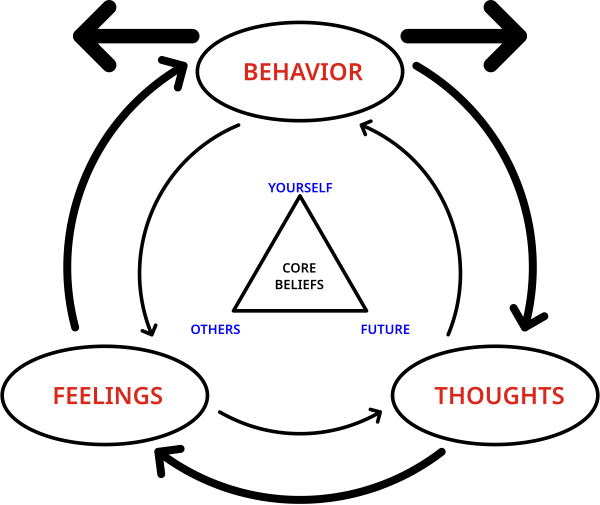
Cognitive Behavioral Therapy (CBT) is a type of psychotherapy that helps people change negative thought and behavior patterns to improve their lives. It involves identifying and challenging unhelpful beliefs, using techniques like exposure therapy and cognitive restructuring, and applying learned skills through homework assignments. CBT can be effective for a wide range of conditions, such as anxiety, depression, and PTSD, and can be delivered in various settings, including one-on-one, group, or online sessions.
Depression and anxiety
Obsessive-compulsive disorder (OCD)
Post-traumatic stress disorder (PTSD)
Eating disorders
Addictions
Sleep problems
Chronic pain and other physical conditions
Relationship problems
Cognitive Processing Therapy (CPT) is a structured, evidence-based treatment for Post-Traumatic Stress Disorder (PTSD) that helps individuals change negative thoughts and beliefs about trauma to reduce distressing symptoms. It is a type of cognitive-behavioral therapy (CBT) that focuses on how thoughts, feelings, and behaviors are interconnected. During CPT, patients work with a therapist to identify and challenge “stuck points” or distorted beliefs about themselves, others, and the world that were created by the trauma. CPT typically involves about 12 weekly sessions and has been shown to be effective in helping people recover from PTSD.

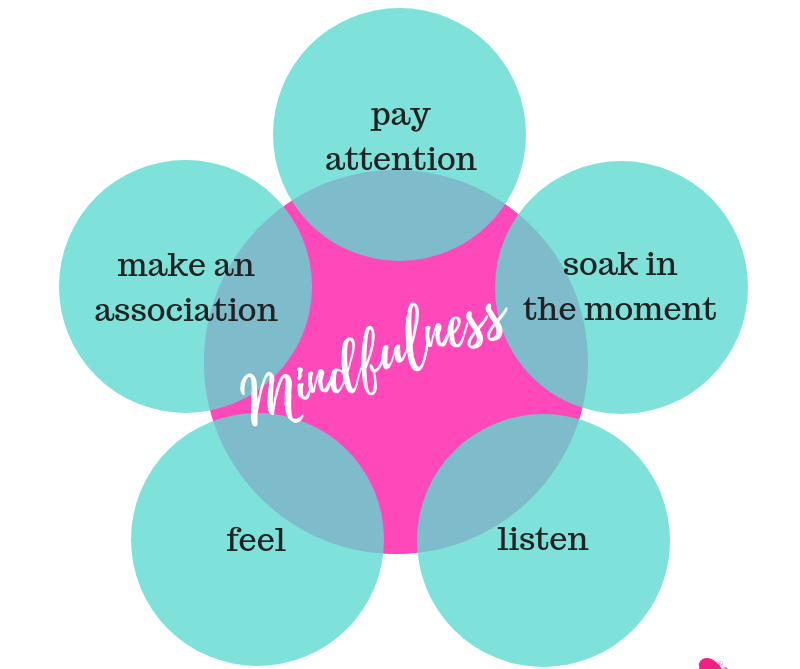
Mindfulness therapy is a treatment method that teaches individuals to pay attention to the present moment without judgment through techniques like mindful breathing, body scans, and meditation. It helps clients observe thoughts and feelings, reduce emotional reactivity, and cultivate self-compassion. Therapists guide patients to notice their experiences, gently redirect their focus, and practice acceptance, often with guided meditations, body awareness, and other practices in sessions and as homework.
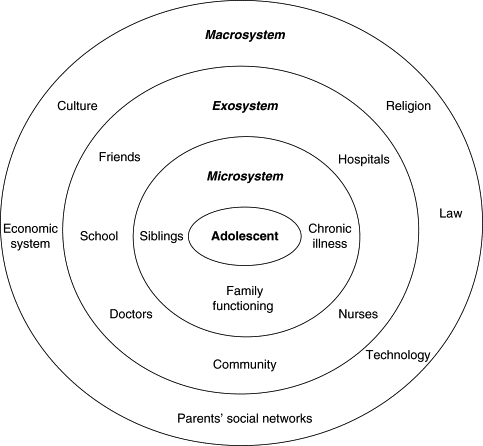
Functional Family Therapy (FFT) is an evidence-based, short-term therapy that addresses youth behavioral problems by improving family dynamics, communication, and relationships. It views behaviors as having a function within the family system and works to change negative patterns by teaching skills like communication, problem-solving, and conflict resolution, while reducing negativity and blame. The model progresses through distinct phases: engagement, behavior change, and generalization, aiming to create lasting positive change and prevent more intensive services.



Enter your Name and Email and I will follow up to answer any questions that you may have.